
Faces of Gene Therapy: Kyle Registre and Brax Hubbard
World Sickle Cell Day, observed annually on June 19th, raises global awareness about sickle cell disease (SCD): a hereditary blood disorder affecting millions worldwide that causes red blood cells to deform into a rigid, sickle shape, disrupting oxygen flow and causing severe pain, organ damage, and life-threatening complications. About 1 in 13 African Americans carry the sickle cell trait, and many do not know they have it. Recent advances in gene therapy have reached a life-changing milestone in the fight against the disease, offering the promise of a functional cure by correcting the disease-causing genetic mutation.
In recognition of World Sickle Cell Day and in honor of all SCD warriors, IGT is proud to share two powerful stories from individuals and families whose lives have been impacted by sickle cell disease and gene therapy.

Meet Marc and Kyle Registre
A gene therapy clinical trial at Children's Healthcare of Atlanta transformed Kyle Registre’s life after years of living with sickle cell disease. Unable to pursue his dream of becoming a pilot because the condition could trigger painful crises and complicate FAA medical clearance, Kyle underwent an experimental treatment that modified his own stem cells. He reports that he has not experienced a pain crisis since and has since obtained his private pilots license with his instrument rating and is currently pursuing his commercial pilot rating which he is projected to obtain in the next few months. He now uses his story to raise awareness about sickle cell disease and the potential of gene therapy for patients facing similar challenges.
Photos courtesy of FOX 5 Atlanta

Meet Braxton (Brax) Hubbard
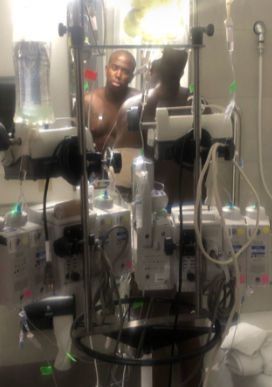
Braxton (Brax) Hubbard and his family have been deeply impacted by sickle cell disease. After losing Braxton’s older brother, Brandon, to complications of the disease, the family endured years of hospitalizations and painful crises before Braxton received an experimental gene therapy that dramatically improved his health. Their story is an important example of both the burden of sickle cell disease and the promise of emerging gene therapies.
Photos courtesy of Brax Hubbard.
Marc Registre, Kyle’s father, and Brax spoke with us recently about their journey.
Q: How did you come into the advocacy space?
Marc: My background is in aviation. My son was born with sickle cell disease; a condition I knew nothing about at the time. Our journey began in 2002 with what we believed was Kyle’s first pain crisis. Because there was very little information available then—and even now I find it lacking—we became strong advocates for awareness, education, and better resources.
Brax: As a Sickle Cell Disease survivor, I became a gene therapy advocate to give hope by showing what is possible through my own experience. My desire to help others comes from living with sickle cell complications and losing my older sibling to the disease.
Q: Why is gene therapy so important for your community specifically?
Marc: Gene therapy is important because it offers a potential cure, rather than simply managing symptoms. Maintenance medications often act as a temporary solution – they may help control the condition, but they ultimately only delay the inevitable progression of the disease.
Brax: Gene therapy is especially important for my community because many of us living with Sickle Cell Disease face severe pain, organ damage, and a shortened life span. Traditional treatments manage symptoms but do not address the root cause. Gene therapy offers the possibility of a long-term, life-changing solution, giving people in my community a chance to live healthier, fuller lives.
Q: What are some of the major barriers to access you see and how can we address them?

Marc: The lack of information is the primary barrier. Patients and their families often do not know what options are available to them. I would like the medical providers caring for these patients to have more information to share, along with more resources they can guide families toward.
In my case, I was aggressive in my search to find a cure for my son. At one point, a nurse practitioner told me that I needed to slow down because a transplant was “not a walk In the park.”
Photos courtesy of FOX 5 Atlanta
Obviously, I had already been doing extensive research, and her comment was not well received. Years later, we ran into her again while Kyle was undergoing treatment. She was now working as a pharmaceutical sales representative. We had a brief conversation - little did she know that our commitment to our child’s life would persevere.
Brax: Some of the biggest barriers to accessing gene therapy are cost, limited healthcare infrastructure, lack of awareness, and policies that do not fully support these treatments.
Q: Why do you believe IGT’s mission of modernizing the policy space for gene therapies is so important?
Marc: I believe it is important to raise awareness and expand access to options for people suffering from this disease and others like it, giving them a real chance at life. Today, quality of life is one of the few things that continues to inspire hope. The possibility of a better quality of life can transform a person’s mindset and outlook for the future.
Brax: IGT’s mission is important because gene therapies can be life-changing, but many people cannot access them due to outdated policies and high costs.
By modernizing the rules, IGT helps treatments reach patients faster and ensures communities like mine can benefit from these advances.
Photos courtesy of Brax Hubbard.

Photos courtesy of FOX 5 Atlanta
Kyle, Marc, and Brax tell a story of hope – bringing to life the transformative potential of gene therapy for people living with sickle cell disease. Their experiences illustrate how innovative treatments can not only improve health outcomes, but open doors to goals and opportunities that once seemed out of reach.
They are not only helping to inspire others in the sickle cell community, but to raise awareness of the barriers that continue to limit equitable access and to support the policy modernization efforts needed to ensure these breakthroughs reach everyone who needs them.